Navigating Skill Progression in Design Careers
In the dynamic realm of design, skill progression is not just a linear journey; it’s an intricate roadmap that guides individuals from novice to expert. Here at Experience Haus, we recognise the importance of nurturing talent and guiding design professionals at every stage of their careers.
Today we are going to explore creating personalised skill development paths that cater to individuals at various career stages. Whether you’re a budding designer or an experienced pro looking to stay ahead, this short guide will help your path toward design mastery.
Understanding Skill Progression
Skill progression isn’t a one-size-fits-all formula. It’s a tailored journey that adapts to each individual’s aspirations, strengths and challenges. Here’s a glimpse of how we map out skill development paths:
- Crafting Foundations for Novices
For those just starting, foundational skills are paramount. This includes mastering design principles, learning industry-standard tolls, and grasping the basics of user-centred thinking. Those that are new to the design space should focus on honing their core competencies before branching out.
- Navigating Intermediate Territory
As designers evolve, intermediate skills come into play. This phase involves exploring specialised areas like UX/UI design, product design, or service design. It’s about delving into design methodologies, honing collaboration skills and gaining real-world experience through projects.
- Mastering Expertise
For seasoned designers, the eventual goal is a state of mastery. This involves becoming a thought leader, influencing design strategies and leading cross-functional teams. Expert designers focus on refining their leadership skills, staying updated with emerging trends, and making significant contributions to the design industry as a whole.
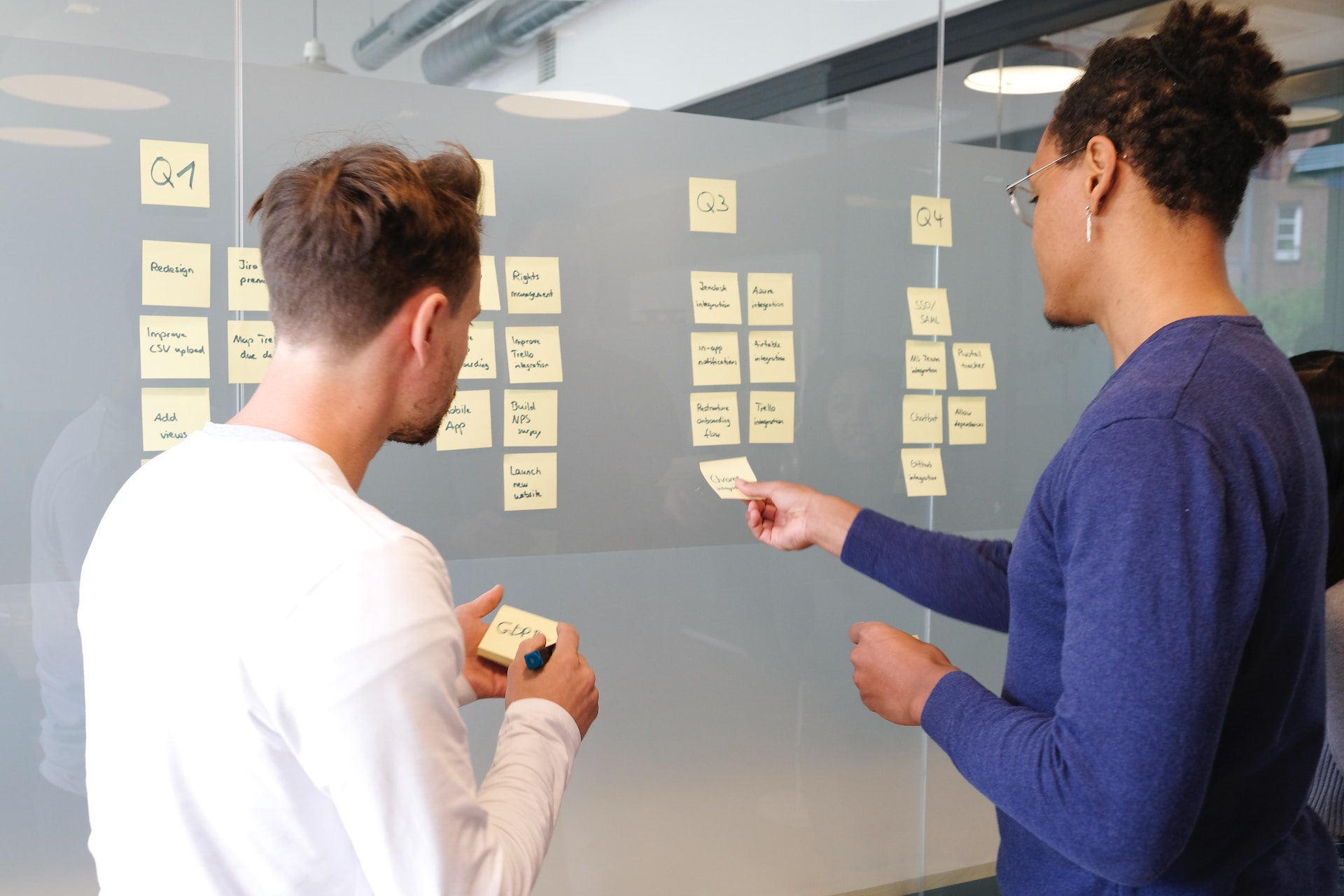
Mapping Out Skill Development Paths
- Assessment and Goal Setting
Identify team members’ strengths, weaknesses and aspirations. Set clear goals aligned with their career stage and the orgnisation’s needs. This forms the foundation for personalised skill progression.
- Tailored Learning Plans
Create learning plans that combine formal education, hands-on projects and mentorship. B2B-focused courses like ours offer specialised training to bridge skill gaps, whether it’s mastering UX research or fine-tuning leadership abilities.
- Regular Feedback and Evaluation
Continuous elevation is key. Regularly assess progress, provide constructive feedback and adjust skill development paths accordingly. This iterative approach ensures that team members remain engaged and on track.
Mapping out skill development paths is a holistic approach that nurtures talent, supports growth and contributes to design excellence. As creative professionals, we understand that every career stage has its unique demands. By tailoring learning plans, offering specialised training and fostering a culture of continuous improvement, we empower design teams to embark on the transformative journey from beginner to expert.
Remember, skill progression is not just about reaching the finish line; it’s about embracing the journey and savouring the growth along the way.