An Introduction to Service Design: Principles & Methods
What is Service Design?
When people ask what service design is, the answer goes beyond creating a single product or user interface. Service design is about shaping the entire journey a customer has with an organisation—from their very first interaction to long-term engagement. It focuses on designing not just the visible touchpoints, but also the systems, processes, and people that make the experience seamless and valuable.
Core Principles of Service Design
At its heart, service design is built on four key principles:
- User-centred thinking: every step should begin with a deep understanding of customer needs and behaviours.
- Co-creation: involving stakeholders—designers, employees, managers, and customers—in the process.
- Holistic vision: ensuring consistency across the entire customer journey, not just at one touchpoint.
- Iteration: testing, prototyping, and refining services to align with both user and business goals.
These principles ensure services are not only effective but also meaningful and human.
The Service Design Blueprint
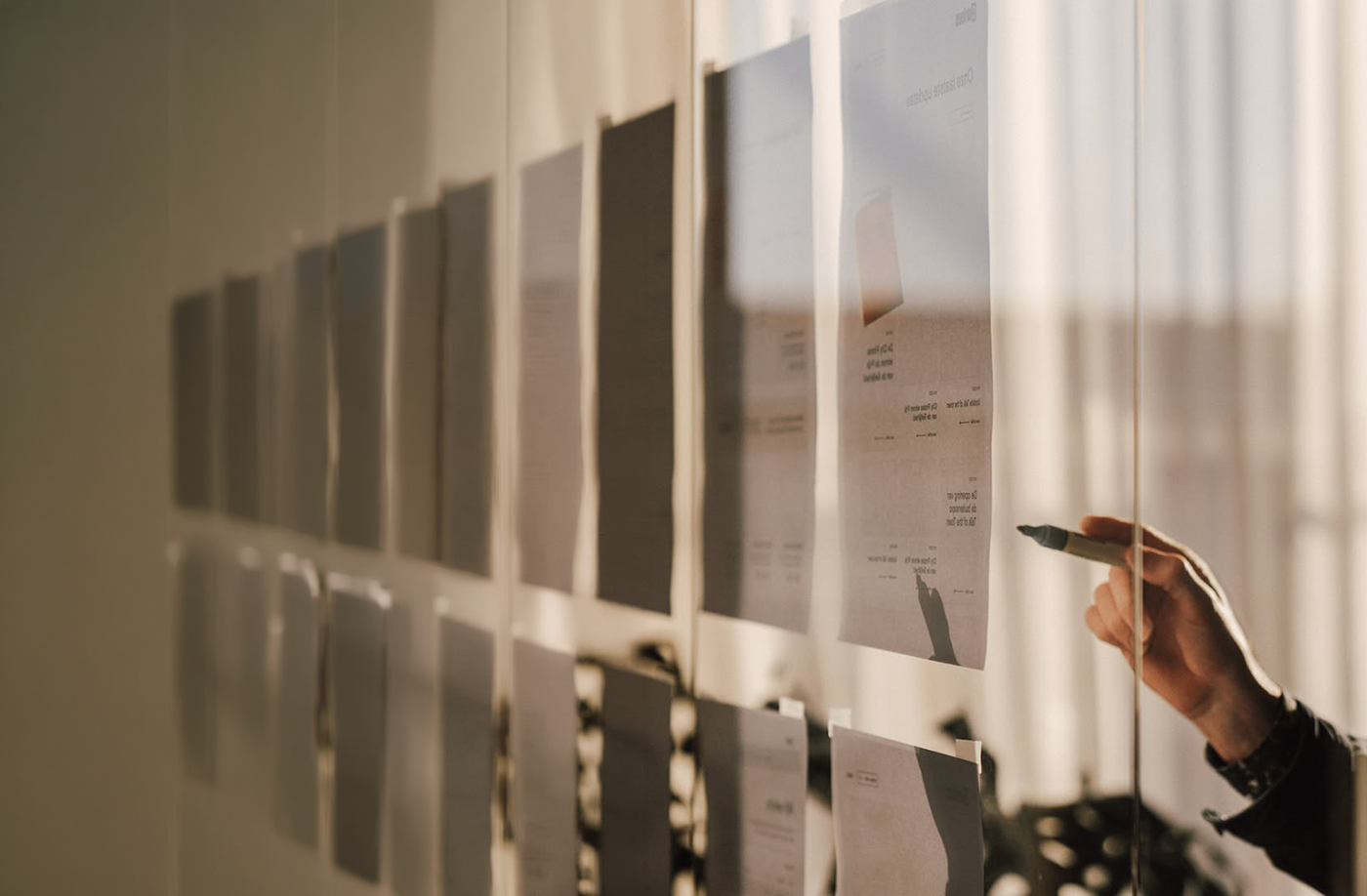
One of the most valuable tools in this field is the service design blueprint. A blueprint visually maps out the customer journey, showing what the customer experiences alongside the backstage processes that support those moments.
For example, when booking a flight, a blueprint might highlight the customer’s steps—searching for flights, purchasing tickets, checking in—while also illustrating the airline’s internal tasks such as updating databases, sending confirmations, and coordinating with airport staff. This tool helps identify gaps, pain points, and opportunities for improvement.
Service Design Examples in Action
Service design examples can be found in many industries. Banks use it to simplify account opening and mobile banking. Healthcare providers apply it to improve patient journeys in clinics and hospitals. Even cultural institutions, like museums, use service design to make visits more engaging and accessible.
These examples show that service design is not limited to digital experiences—it blends physical spaces, human interactions, and technology into one coherent system.
Taking the Next Step with Experience Haus
If you’re inspired to dive deeper into service design, Experience Haus offers a hands-on Service Design course. Led by industry experts, the course combines theory with practice, guiding students through real projects and equipping them with the tools to create meaningful services.
Whether you’re just beginning your design journey or looking to expand your professional toolkit, this course gives you practical experience and the confidence to design services that make a real impact.