The Service Designer’s New Toolkit: Automation, Agents, and AI Co-Creation
In today’s fast-evolving digital landscape, service designers are at the forefront of shaping experiences that resonate deeply with users. But the tools and methods we rely on are undergoing a profound transformation. No longer confined to traditional workshops or manual prototyping, designers are now empowered by automation, intelligent agents, and AI-driven co-creation to innovate faster and scale smarter.
From Intuition to AI-Enhanced Ideation
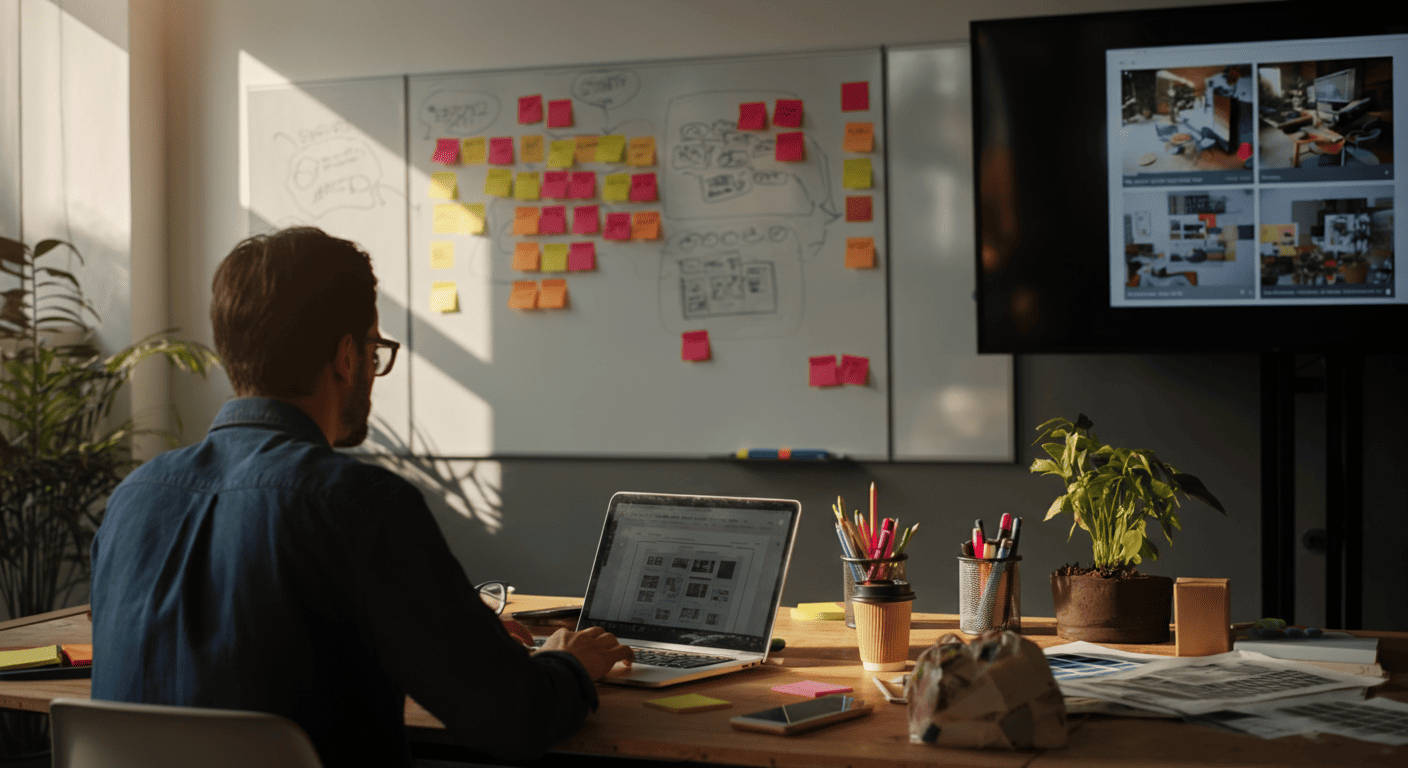
Gone are the days when ideation sessions were limited to sticky notes and endless brainstorming. The rise of prompt-based AI tools enables designers to explore vast solution spaces quickly. By inputting context, goals, or constraints, AI can generate diverse concepts or service blueprints in seconds — sparking fresh ideas that might have otherwise taken hours to uncover.
This shift doesn’t replace human creativity; it amplifies it. Designers remain the strategic drivers, steering AI’s output and iterating to refine ideas in collaboration with machine intelligence.
Scenario Simulations: Testing Without Limits
Once, testing new service scenarios meant costly pilot programs or user roleplays. Now, AI-driven simulations allow teams to model complex customer journeys under varying conditions. These scenario engines help predict how services perform across multiple touchpoints and edge cases — revealing potential pain points or opportunities long before real-world deployment.
Such simulations make risk-taking more manageable, accelerating innovation cycles and encouraging bold experimentation.
Chatbots and Virtual Agents as Prototyping Partners
Prototyping service interactions has also leapt forward. Chatbots, once simple FAQ responders, now serve as dynamic virtual agents in design labs. Designers can prototype conversational flows with AI agents that adapt, learn, and respond naturally. This hands-on approach uncovers nuances in communication and uncovers unmet user needs, leading to more empathetic and effective service designs.
Why Upskilling Your Team Matters
Harnessing these tools requires new skills. The most successful digital teams invest in continuous learning — developing in-house expertise to navigate AI integration confidently. Design skills training that blends human-centered approaches with technological fluency becomes a vital component of modern service design.
By equipping teams with these capabilities, organizations build resilience and agility, ready to respond to changing user behaviors and market conditions.
Many organisations feel the pressure to innovate — but struggle with outdated processes, siloed teams, or a lack of in-house design expertise. AI and automation offer huge potential, but only if your team knows how to harness them.
At Experience Haus, we help teams move from confusion to capability. Through hands-on, human-centred training, we equip professionals with the skills they need to confidently adopt new tools, collaborate better, and design services that truly make an impact.
If your team is ready to unlock the full potential of service design in the AI era — let’s talk.